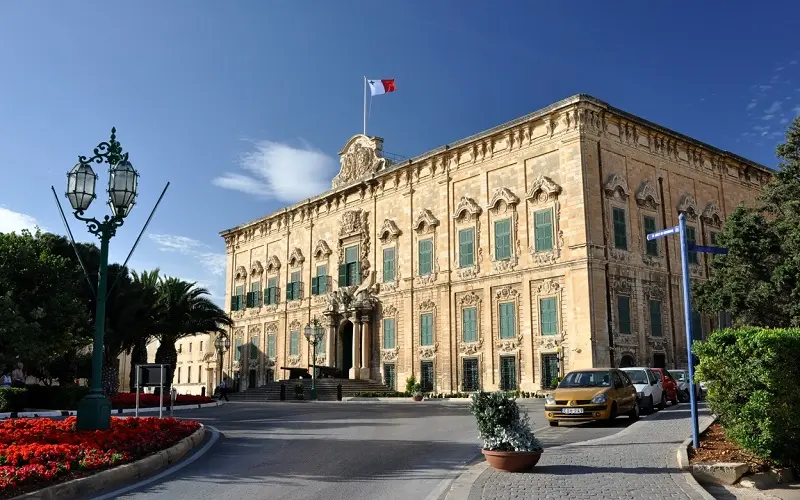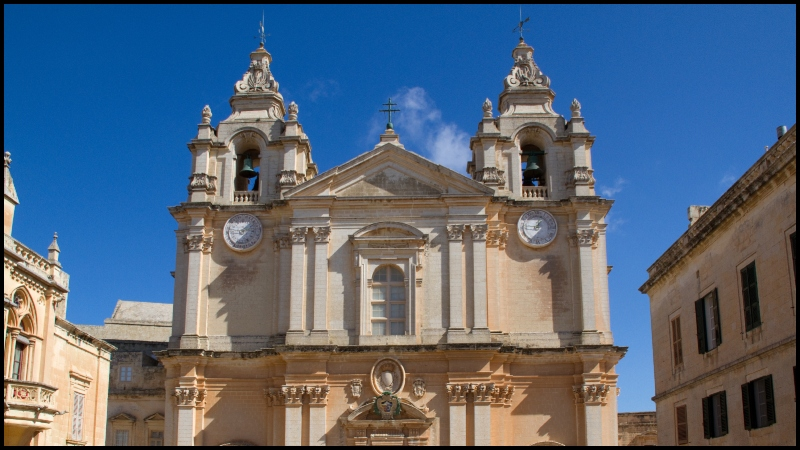
Malta might be known around the world as one of the most Catholic nations, but recent trends reveal a deeper change happening beneath the surface. For decades, Roman Catholicism shaped Maltese culture, language, holidays, and even national identity.
But the question many researchers now ask is: What religion is growing fastest in Malta today? The surprising answer shows that Malta is moving in a new religious direction driven by migration, youth identity, and global trends. This evolution offers a fresh chapter in the history of religion on the tiny Mediterranean island.
Catholicism: Still Strong But Slowly Changing
Roman Catholicism remains Malta’s largest religion, with more than 80% of the population identifying as Catholic in the latest national census. But traditional participation, such as weekly Mass attendance, has gradually declined among young adults and the middle generations.
Many Maltese still celebrate major religious holidays with pride, but they practice their faith less frequently than before. This does not mean Catholicism is disappearing, far from it, but its role is evolving. Culture and identity remain deeply tied to Catholic traditions even as personal belief becomes more flexible.
Islam: The Fastest Growing Organized Religion in Malta
Among organized religions, Islam currently shows the fastest proportional growth in Malta. The Muslim population has steadily increased due to international migration for work, study, and family reunification. Census data indicate that Muslims now make up around 3–4% of the population, compared to nearly zero a few decades ago.
This reflects broader global migration patterns and Malta’s expanding economy. While the community remains small in absolute numbers, its growth rate is significant within a historically Catholic society. Muslim residents contribute to Malta’s social, cultural, and economic diversity.
The Rise of “No Religion”: A Generation of Change
One of the biggest religious shifts in Malta today comes from the rise of people identifying as having “no religion.” This demographic includes atheists, agnostics, and spiritually open individuals who don’t belong to any organized religion. Younger generations especially show a stronger trend toward secular identities.
Many value science, personal freedom, and individual spirituality over traditional religious structures. This shift mirrors trends across Europe and is shaping Malta’s social landscape in a way that has never been seen before. In fact, the group with the fastest growth may not be a religion at all.
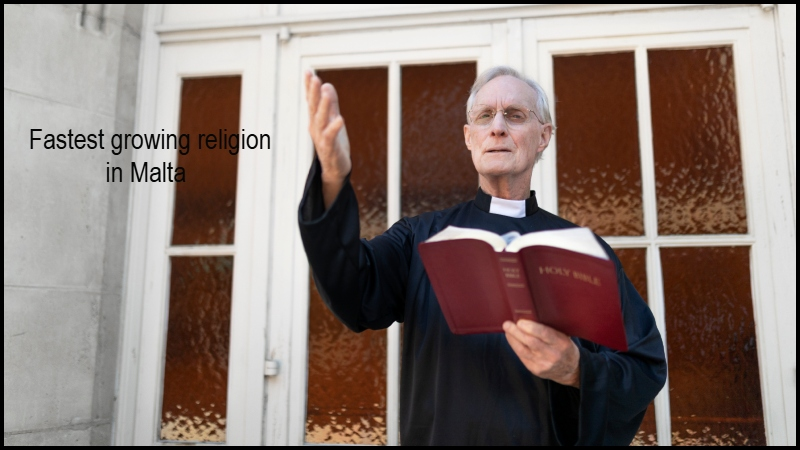
Why Are These Shifts Happening? Key Influences Explained?
Several forces are driving Malta’s changing religious landscape. First, migration from North Africa, Asia, and the Middle East has increased religious diversity, especially in urban centers. Second, globalization influences young Maltese through education and digital media, exposing them to different worldviews.
Third, Malta’s legal and social reforms, including divorce and progressive civil rights, have encouraged personal belief systems that are less tied to religious institutions. Together, these shifts show that Malta now balances deep cultural traditions with modern diversity in belief and identity.
Comparing Growth: Who Is Growing Fastest?
When we break down the numbers, three group trends stand out in Malta. First, Islam is the fastest-growing organized religion by percentage increase in its number of believers. Second, non‑religious identity is growing faster than any traditional faith group, especially among ages 18–40. Third, Catholicism, while still dominant, is growing most slowly and sometimes declining in active participation. All three trends tell a bigger story about Malta’s evolution, not religious decline, but religious diversification and personal choice.
What does this mean for Malta’s Future?
Malta’s future will not be defined by only one religion but by a richer mosaic of belief systems and identities. Catholic traditions will remain central to national culture for many years, but the increased presence of Islam and secular identity shows society becoming more pluralistic.
Social harmony, interfaith dialogue, and respect for diverse beliefs will be key as Malta continues to engage with global trends. Change does not mean conflict; it means Malta is growing up in the modern world while holding onto its historical roots.
Final Thought: A Multi‑Faceted Religious Landscape
The fastest-growing religion in Malta depends on how we look at growth. If we measure organized religion, Islam leads among minority faiths. If we measure belief identity, the rise of “no religion” may be the most rapid trend of all.
Catholicism remains the foundation of Maltese culture, but the new religious landscape is more dynamic than ever. In this transformation, Malta reflects both its ancient heritage and a future shaped by diversity, choice, and modern identity.
For more information or suggestions, please contact us.