Malta is not just another Mediterranean island. It is a living museum shaped by thousands of years of history, faith, and tradition. Many travelers visit Malta for beaches and sunshine, yet they leave without understanding its deep cultural roots.
This article uncovers powerful Malta cultural tourism facts that reveal why this small island holds such global importance. From ancient temples older than the pyramids to traditions still practiced today, Malta offers a culture that feels real, not staged.
If you want to understand Malta beyond guidebooks, this complete guide will change how you see the island. Once you start reading, you will want to explore every layer of Malta’s cultural story.
Malta’s Cultural History Spans Over 7,000 Years
One of the most surprising Malta cultural tourism facts is the island’s age. Human civilization in Malta dates back more than 7,000 years. This makes Malta one of the oldest cultural destinations in Europe. Ancient temples like Ħaġar Qim and Mnajdra were built before Stonehenge and the Egyptian pyramids. These sites were not random structures. They followed astronomical alignments and spiritual beliefs.
Today, visitors can walk through these sacred spaces and feel the weight of time. Malta’s history did not stop there. Phoenicians, Romans, Arabs, Knights of St. John, and the British all shaped the island. Each left cultural marks that still influence modern Maltese life.
Valletta Is a UNESCO City Built on Culture
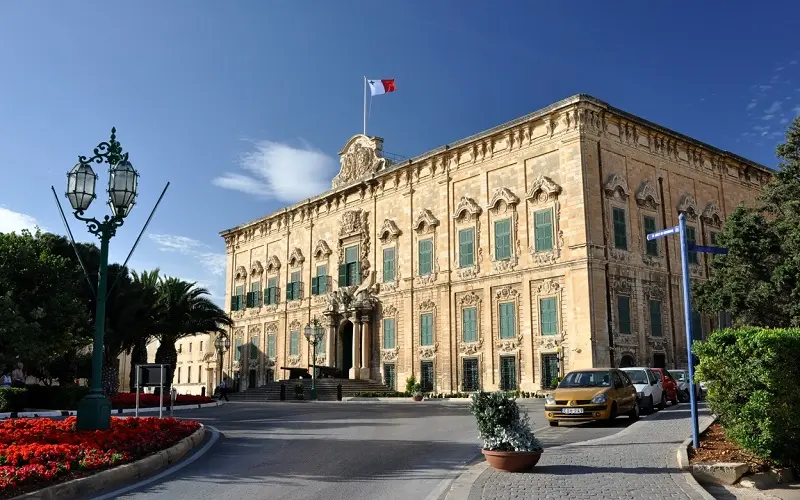
Valletta is not just Malta’s capital. It is a UNESCO World Heritage Site filled with cultural meaning. Built by the Knights of St. John in the 16th century, Valletta reflects military strength, religious devotion, and artistic beauty. The city’s grid design was advanced for its time. Inside, travelers find baroque churches, historic palaces, and hidden courtyards.
St. John’s Co-Cathedral holds Caravaggio’s masterpiece, proving Malta’s importance in European art history. Walking through Valletta feels like stepping into a living history book. Every street tells a story. This makes Valletta a key highlight in Malta cultural tourism and a must-visit destination.
Maltese Traditions Are Still Alive Today
Unlike many destinations, Malta has preserved its traditions instead of replacing them. Village festas remain central to Maltese culture. These religious festivals honor local saints with fireworks, music, and street decorations. Families pass traditions down through generations. Maltese language is another cultural treasure. It is the only Semitic language written in Latin script and reflects Arabic, Italian, and English influence.
Traditional crafts like lace-making and boat painting still exist. These are not tourist performances. Locals live them daily. For cultural tourists, this authenticity is powerful. It allows visitors to connect with real people, not staged experiences.
Food Tells Malta’s Cultural Story
Food plays a major role in Malta cultural tourism facts. Maltese cuisine reflects centuries of cultural exchange. Dishes blend Mediterranean flavors with local ingredients. Rabbit stew, known as fenkata, represents Maltese identity and community. Pastizzi, flaky pastries filled with ricotta or peas, show everyday island life. Meals often bring families together, especially on Sundays.
Food markets like Marsaxlokk reveal fishing traditions and seasonal habits. Visitors do not just eat in Malta. They experience history through taste. This connection between food and culture makes Malta appealing to travelers seeking meaningful experiences, not just sightseeing.
Gozo Offers a Slower Cultural Experience
Gozo, Malta’s sister island, provides a different cultural rhythm. Life moves slower, and traditions feel even more preserved. The Ggantija Temples in Gozo are among the world’s oldest free-standing structures. Local villages maintain farming practices passed down for centuries. Gozo’s culture focuses on community, faith, and land.
Cultural tourists often prefer Gozo for its authenticity and calm atmosphere. Unlike crowded tourist hubs, Gozo allows deeper cultural immersion. Visitors can speak with locals, attend village events, and understand rural Maltese life. This makes Gozo a key destination for cultural tourism in Malta.
Religion Shapes Maltese Culture Deeply
Religion is deeply rooted in Maltese society. Catholicism influences architecture, festivals, and daily life. Malta has over 350 churches, many built with detailed craftsmanship. Religious processions are common and meaningful events. These are not only historical displays.
They are active expressions of faith. Even non-religious visitors feel the cultural importance of these traditions. Churches often serve as community centers. This religious presence explains much of Malta’s art, music, and social values. Understanding religion helps cultural tourists understand Malta itself.
Why Malta Cultural Tourism Keeps Growing?
Cultural tourism in Malta continues to grow as travelers seek depth, not surface-level experiences. Malta offers history, living traditions, and human stories in one place. The island balances preservation with modern tourism. Cultural sites are protected, yet accessible. Locals actively share their heritage. This creates trust and authenticity. Travelers leave Malta with more than photos. They leave with understanding. That emotional connection explains why Malta cultural tourism facts remain strong and continue to attract global attention.
Frequently Asked Questions About Malta Cultural Tourism Facts
1. Why is Malta important for cultural tourism?
Malta holds over 7,000 years of history, making it one of Europe’s oldest cultural destinations. Its ancient temples, living traditions, and UNESCO sites attract travelers seeking real heritage experiences.
2. What makes Malta’s culture different from other Mediterranean countries?
Malta blends Arabic, European, and British influences into one identity. This mix appears in its language, food, architecture, and traditions, creating a culture found nowhere else.
3. Is Malta cultural tourism suitable for modern travelers?
Yes. Malta balances preserved heritage with modern comfort. Visitors enjoy authentic culture while accessing quality transport, museums, and guided cultural experiences.
4. Which areas in Malta offer the best cultural experience?
Valletta, Mdina, and Gozo provide the richest cultural depth. These areas showcase history, religion, traditions, and local life in the most authentic way.
Final Verdict
Malta cultural tourism facts prove that this island is far more than a holiday destination. It is a place where history breathes, traditions survive, and culture feels personal. Every temple, festival, meal, and street carries meaning shaped by centuries of human life. Malta does not offer rushed experiences. It invites travelers to slow down and connect.
This deep cultural identity builds trust, authenticity, and emotional value for visitors. That is why Malta continues to stand out in the global cultural tourism market. Travelers leave with knowledge, respect, and lasting memories. Malta’s culture does not make a loud impression. It stays quietly powerful, long after the journey ends.