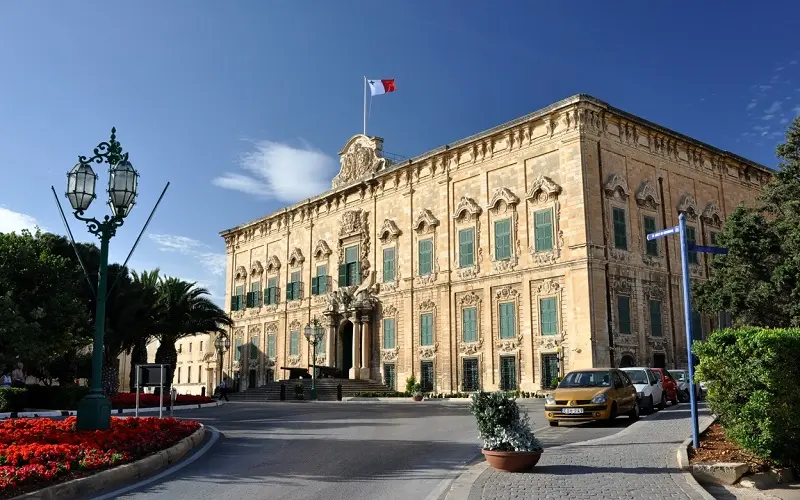
Malta is not just a small island in the Mediterranean. It is a living museum of culture, tradition, and history. Many travelers visit Malta for its beaches, but few truly understand its deep cultural roots. The traditions of Malta come from centuries of influences, including Phoenician, Roman, Arab, and British rule.
These influences shaped the Maltese way of life in unique ways. From colorful village festas to ancient religious customs, Maltese culture and traditions still guide daily life today. This article takes you inside the real Malta. You will discover how history, faith, food, and celebrations come together to keep Maltese culture alive in the modern world.
A Brief Look at Malta’s Cultural Roots
Malta’s culture has evolved over thousands of years. Many civilizations ruled the islands, but Malta never lost its identity. The Maltese language itself shows this mix. It sounds Arabic but uses Latin letters. This makes it one of the most unique languages in Europe.
Religion also plays a strong role. Most Maltese people follow Roman Catholic traditions. Churches stand at the heart of every town and village. These cultural roots still shape family life, values, and community bonds across Malta.
Maltese Traditions That Shape Daily Life
Traditions in Malta are not just for special days. They are part of everyday life. Family comes first in Maltese culture. Sundays often mean family lunches that last for hours. Respect for elders remains very strong.
Neighbors greet each other daily, especially in small villages. Another important tradition is hospitality. Maltese people welcome guests warmly. Offering food, coffee, or sweets is common and expected. These small gestures reflect deep cultural values passed down through generations.
Village Festas: The Heart of Maltese Culture
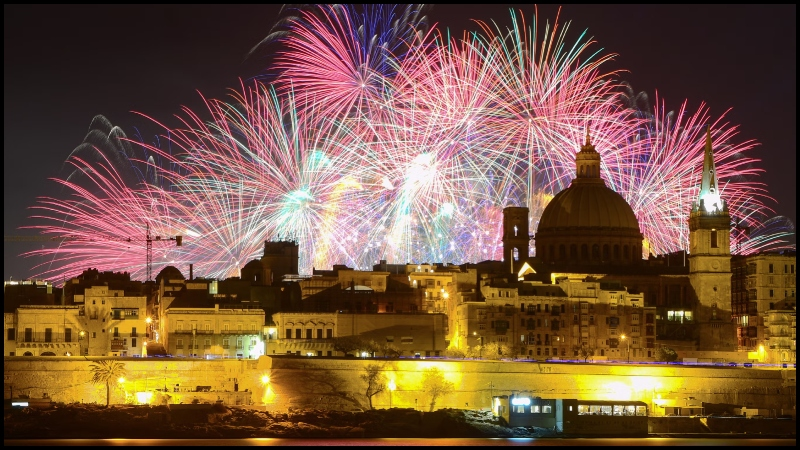
Village festas are one of the strongest symbols of Malta culture and traditions. Each town celebrates its patron saint once a year. During festas, streets fill with lights, music, and decorations. Fireworks light up the sky every night.
Local bands play traditional marches, and people gather late into the evening. These festas are not just celebrations. They show community pride and unity. Families prepare for months, and villages compete to create the most beautiful event.
Traditional Maltese Food and Cultural Identity
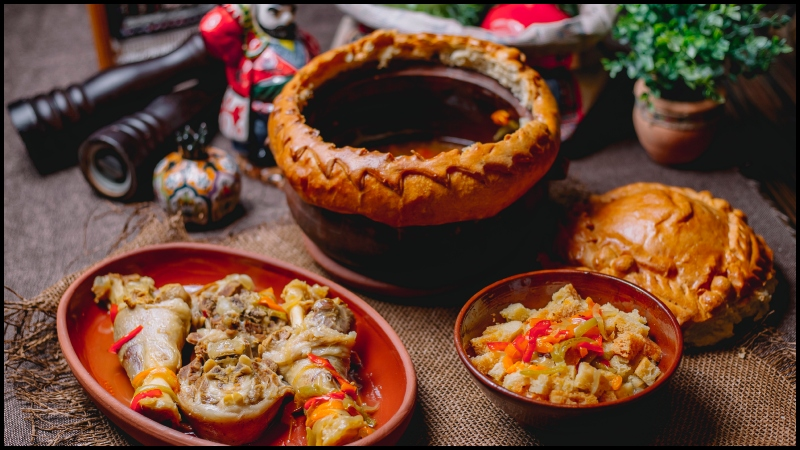
Food tells the story of Malta’s culture. Maltese cuisine reflects both Mediterranean and Middle Eastern influences.
Popular traditional dishes include:
- Pastizzi: flaky pastries filled with ricotta or peas
- Stuffat tal-fenek: rabbit stew, considered Malta’s national dish
- Ftira: traditional Maltese bread with olives and tuna
Meals bring families together and strengthen social bonds. Many recipes pass from grandparents to grandchildren, keeping traditions alive through food.
Religion and Cultural Customs in Malta
Religion shapes many Maltese traditions. Church bells ring daily, and religious statues fill town squares. Holy Week and Christmas remain deeply important. Processions, reenactments, and church services attract large crowds. Many families still follow old customs during these events. Faith in Malta is not only spiritual. It is cultural. It influences values, behavior, and community life in powerful ways.
Traditional Arts, Music, and Crafts
Malta also protects its traditional arts. Folk music, known as għana, features singers who improvise lyrics in Maltese. This art form reflects emotions, humor, and social issues.
Traditional crafts include lace-making, filigree jewelry, and glass blowing. These crafts appear in local markets and festivals. They help preserve Maltese identity in a modern world.
Why Malta Culture and Traditions Still Matter Today?
Modern life continues to change Malta. Tourism and globalization grow every year. Still, Maltese people work hard to protect their traditions. Schools teach local history. Communities support cultural events. Young generations still join festivals and religious celebrations.
Malta culture and traditions remain strong because they are lived, not displayed. They connect the past with the present and give Malta its unique soul.
Final Thoughts
Malta may be small, but its culture carries the weight of centuries. Every tradition, from village festas to family gatherings, tells a story of resilience, faith, and pride. When you explore Malta culture and traditions, you begin to see the island through a deeper lens.
It is not only a place of beauty but a land shaped by history and human connection. These traditions are not frozen in the past. They continue to live in daily life, passed from one generation to the next. This is what makes Malta truly unforgettable.
For more information or suggestions, please contact us.