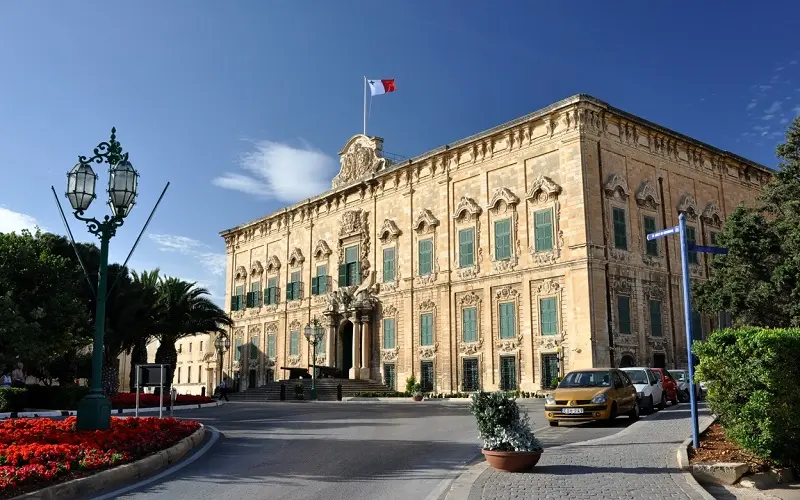
Malta weather looks simple on paper. Sun. Blue skies. Mild winters. But many travelers get surprised after they arrive. Some feel the summer heat is too strong. Others visit in winter and feel bored. The truth is simple: Malta weather is amazing only if you choose the right time.
This guide is not based on charts alone. It explains what Malta weather feels like in real life. Month by month. Honest. Clear. Easy to understand. So you can plan your trip without regrets.
What Kind of Climate Does Malta Have?
Malta has a Mediterranean climate.
That means:
- Hot, dry summers
- Mild, short winters
- Lots of sunshine all year
Malta gets over 300 sunny days each year. Rain is rare and mostly comes in winter. Snow does not happen. But temperature alone does not tell the full story. Humidity, wind, and crowds change everything.
Malta Weather by Month (Real Experience)
January: Cool and Quiet
January is the coldest month in Malta.
Still, “cold” here feels mild to most visitors.
- Average temperature: 10–15°C (50–59°F)
- Sea swimming: Not recommended
- Crowds: Very low
This month is calm. Great for walking and history lovers. Not ideal for beach holidays.
February: Similar but Slightly Better
February feels much like January.
Some days are sunny. Some feel windy.
- Temperature: 11–16°C (52–61°F)
- Rain: Possible
- Prices: Low
Good for budget travelers. Not good if you want beach fun.
March: Spring Begins Slowly
Spring starts, but gently.
- Temperature: 13–18°C (55–64°F)
- Nature: Flowers start to bloom
- Sea: Still cold
This is a nice month for sightseeing. Weather feels fresh, not hot.
April: One of the Best Months
April is when Malta starts to shine.
- Temperature: 16–22°C (61–72°F)
- Rain: Very little
- Crowds: Manageable
You can walk all day without sweating. Beaches look beautiful, even if the water is still cool.
May: Perfect Balance
May is a favorite for many travelers.
- Temperature: 20–26°C (68–79°F)
- Sea swimming: Yes
- Events: Start increasing
It feels warm, not extreme. Nights are pleasant. One of the best times to visit Malta.
June: Summer Starts
June marks the beginning of summer.
- Temperature: 24–30°C (75–86°F)
- Sea: Warm and clear
- Crowds: Growing
Perfect for beach lovers. Still comfortable if you avoid the midday sun.
July: Hot and Busy
July is hot. Very hot.
- Temperature: 30–35°C (86–95°F)
- Humidity: High
- Tourists: Everywhere
Days feel intense. Older travelers may struggle. Early mornings and evenings are best.
August: The Toughest Month
August is the hottest and most crowded month.
- Temperature: Often above 35°C (95°F)
- Locals: On holiday
- Energy: Low
Malta feels slow and heavy. Beaches are full. If you dislike heat, avoid this month.
September: A Hidden Gem
September is underrated.
- Temperature: 25–30°C (77–86°F)
- Sea: Perfect
- Crowds: Fading
Summer feeling without summer chaos. Many experienced travelers choose September.
October: Warm and Relaxing
October still feels like summer.
- Temperature: 22–27°C (72–81°F)
- Rain: Possible near the end
- Vibe: Calm
Great for swimming and exploring. The weather stays friendly.
November: Cooling Down
November brings change.
- Temperature: 17–22°C (63–72°F)
- Rain: More frequent
- Sea: Cooling
Good for quiet trips. Not ideal for beach holidays.
December: Mild Winter Feel
December feels peaceful.
- Temperature: 12–17°C (54–63°F)
- Christmas vibe: Strong
- Snow: Never
Perfect if you want culture, not beaches.

Best Time to Visit Malta (Honest Answer)
There is no single “best” month for everyone.
But here is the honest breakdown:
- Best overall: April, May, September
- Best for beaches: June, September
- Best for budget travel: January to March
- Worst for heat: August
If you want comfort, avoid peak summer.
Malta Weather for Different Travelers
For Families
April, May, and October are ideal. Kids can enjoy outdoor activities without extreme heat.
For Honeymooners
May and September offer romance without crowds.
For Travelers
Spring and autumn are safest. Summer heat can be exhausting.
For Students and Long Stays
Winter months are affordable and calm.
What Clothes Should You Pack?
- Summer: Light cotton clothes, hat, sunscreen
- Spring/Fall: Light jacket for evenings
- Winter: Thin sweaters and a windbreaker
Heavy winter coats are unnecessary.
Does Malta Weather Ever Get Extreme?
Malta does not face hurricanes or snowstorms.
However:
- Heatwaves happen in summer
- Strong winds appear in winter
- Humidity can feel heavy
Planning the right month solves most problems.
A Smart Tip Before You Book
Do not plan your trip to Malta only by temperature. Always check wind, humidity, and local events. A 28°C day with strong wind feels cool. The same temperature with humidity feels exhausting. Also, festivals and school holidays change crowd levels fast. Smart travelers plan weather and timing together.
This small step can save your entire trip.
Final Thought
Malta weather is not just about sunshine. It is about comfort, timing, and expectations. If you visit in the right months, Malta feels calm, warm, and welcoming. If you choose the wrong time, even perfect beaches can feel stressful. That is why understanding the weather deeply matters. Use this guide as your reference. Plan smart. Travel relaxed. And let Malta show you its best side.
For more information or suggestions, please contact us.