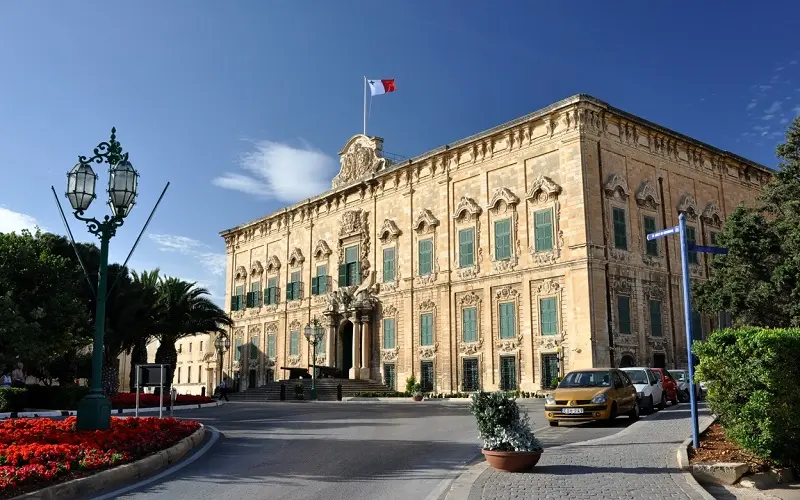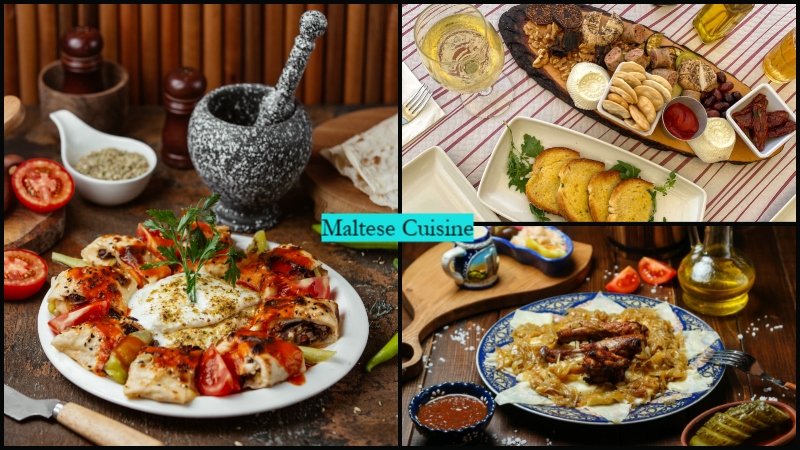
Maltese cuisine is one of Europe’s best-kept food secrets. It blends Mediterranean warmth with bold island flavors. Many people have never explored it, yet it offers rich history, comfort, and tradition in every bite. This cuisine comes from Malta, a small island nation in the Mediterranean Sea.
Because of its location, Malta absorbed flavors from Italy, North Africa, Britain, and the Middle East. The result is a food culture that feels familiar but still unique. If you love authentic food with a story, Maltese cuisine deserves your attention.
What Makes Maltese Cuisine Unique?
Maltese cuisine is simple but deeply flavorful. It relies on fresh, local ingredients. Most dishes come from family recipes passed down for generations. Island life shaped this food style. People cooked what they had. They used seasonal vegetables, fresh fish, olive oil, and herbs. Meals focus on comfort, balance, and slow cooking.
Nothing feels rushed. Every dish tells a story of survival, trade, and tradition.
Core Ingredients in Maltese Food
Maltese cooking uses ingredients that grow well in a Mediterranean climate.
Some of the most common include:
- Olive oil
- Tomatoes
- Garlic
- Onions
- Fresh herbs like parsley and bay leaves
- Rabbit, chicken, and seafood
- Broad beans and legumes
Bread plays a big role, too. Traditional Maltese bread has a crispy crust and soft inside. Locals enjoy it with olive oil, tomatoes, and tuna.
Famous Traditional Maltese Dishes
Rabbit Stew (Stuffat tal-Fenek)
This is Malta’s national dish. Locals cook rabbit slowly in wine, garlic, and herbs. The meat becomes tender and rich. This dish reflects Malta’s rural roots. Families often cook it for special gatherings.
Pastizzi
Pastizzi are flaky pastries filled with ricotta cheese or mushy peas. They are cheap, filling, and loved by everyone. You can find them at street stalls across Malta. They make the perfect snack any time of day.
Lampuki Pie
Lampuki is a seasonal fish found near Malta’s coast. Cooks bake it in a pie with spinach, olives, and capers. This dish shows how Maltese cuisine respects nature and seasons.
Seafood in Maltese Cuisine
Seafood holds a special place in Maltese food culture. The sea surrounds the island, so the fish stays fresh.
Popular seafood dishes include:
- Grilled octopus
- Fish soup known as Aljotta
- Fried calamari
Cooks use lemon, garlic, and olive oil to enhance natural flavors. They avoid heavy sauces.
Maltese Food and Italian Influence
Italian cuisine strongly influenced Maltese food. You will see pasta, tomato sauces, and cheeses everywhere. However, Maltese dishes feel heartier. They use stronger flavors and rustic methods.
For example, Maltese baked pasta often includes eggs and meat. It feels rich and satisfying.
Street Food and Everyday Eating
Street food plays a big role in daily Maltese life. People eat simple meals that fill the stomach and warm the soul. Hobz biz-zejt is a popular example. It is bread rubbed with tomatoes and filled with tuna, olives, and capers. This food feels humble but flavorful.
It represents Maltese life perfectly.
Why Maltese Cuisine Deserves Global Attention
Maltese cuisine remains underrated. It does not chase trends.
It honors tradition. In a world of fast food, Maltese dishes slow things down. They focus on quality and heritage. Food lovers now seek authentic experiences. That makes Maltese cuisine more relevant than ever.
Conclusion
Maltese cuisine is more than food. It is history on a plate. It reflects island life, family values, and cultural fusion. Every dish carries warmth and honesty. From rabbit stew to flaky pastizzi, each bite feels meaningful. If you want real Mediterranean flavor beyond clichés, explore Maltese cuisine. It may surprise you, and it will stay with you.
For more information or suggestions, please get in touch with us.