Malta is a small island nation located in the Mediterranean Sea. Although it is small in size, Malta has a rich cultural history influenced by Italian, Arab, and European traditions. This cultural background is strongly reflected in Maltese cuisine, especially in traditional sweets. Maltese desserts are an important part of family life, religious celebrations, and local festivals. They are valued not only for their taste but also for their cultural significance.
Main Ingredients and Characteristics
Traditional Maltese sweets are usually prepared using natural ingredients such as almonds, honey, dates, sesame seeds, ricotta cheese, sugar, and citrus peel. These ingredients give the desserts a rich flavor and unique texture. Many recipes have been passed down from older generations, which helps preserve their originality and traditional taste. Unlike modern commercial desserts, Maltese sweets often have a homemade quality. This makes them more authentic and closely connected to Maltese identity.
Popular Sweets Among Local People
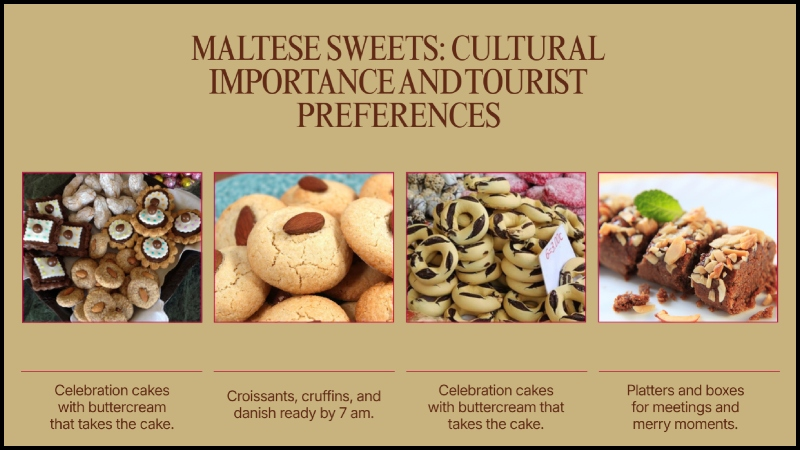
One of the most popular sweets in Malta is Kannoli. It is a crispy pastry tube filled with sweetened ricotta cheese and sometimes decorated with chocolate chips or nuts. It is commonly served at weddings, birthdays, and family gatherings.
Another well-known dessert is Imqaret. This is a deep-fried pastry filled with dates. It is usually served warm and is often sold as street food. Many local people enjoy eating Imqaret in the evening, sometimes with tea.
Qubbajt, also known as Maltese nougat, is especially popular during village feasts and religious festivals. It is made mainly from honey, almonds, and egg whites, giving it a chewy texture. Helwa tat-Tork is another traditional sweet made from sesame paste and sugar. It has a crumbly texture and is usually cut into small slices.
Cities Famous for Traditional Sweets
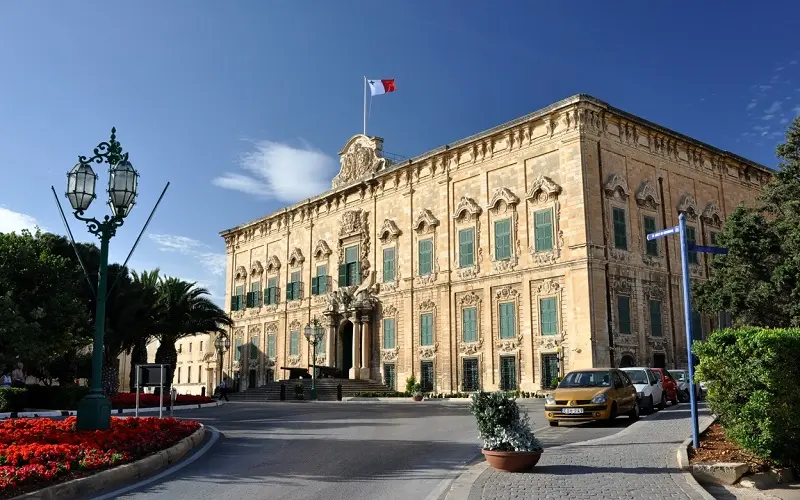
Valletta, the capital city of Malta, is known for its traditional bakeries and well-established confectionery shops. Many visitors buy sweets in Valletta for their quality and presentation.
Mdina, often called the Silent City, is famous for maintaining traditional baking methods. Many handmade almond sweets and traditional pastries are prepared here using old recipes. Rabat is particularly known for fresh Imqaret and small local pastry shops that focus on authenticity rather than mass production.
Tourist Preferences
Tourists visiting Malta often look for traditional and authentic food experiences. Many visitors prefer trying freshly made Imqaret, especially when served with ice cream. Kannoli is also popular among tourists because it resembles Italian desserts but has a Maltese touch.
Qubbajt is frequently purchased during festivals, as tourists enjoy experiencing local celebrations. Packaged almond sweets are also commonly bought as souvenirs to take home. Tourists are generally more interested in sweets that represent Maltese culture and history rather than modern or international desserts.
Cultural and Religious Importance
In Malta, sweets are closely connected to religious events and village feasts. During these celebrations, stalls are set up to sell traditional desserts, and families prepare special sweets at home. Christmas and other religious holidays also include the preparation of specific traditional desserts. This connection between food and tradition strengthens the cultural value of Maltese sweets.
Conclusion
Traditional Maltese sweets reflect the country’s cultural diversity and historical influences. They are enjoyed by local residents during celebrations and daily life, while tourists appreciate them as part of an authentic cultural experience. Cities such as Valletta, Mdina, and Rabat are especially recognized for preserving traditional recipes and maintaining high-quality sweets. Overall, Maltese sweets are not only delicious but also an important symbol of Malta’s heritage and identity.
For more information and suggestions, Contact Us.