Marsaxlokk is not loud, flashy, or fast, and that is its greatest strength. This traditional fishing village in southern Malta offers something many destinations have lost: authenticity. While modern Malta moves quickly, Marsaxlokk continues to follow the rhythm of the sea. Life here begins early, guided by tides, weather, and fishing seasons.
Visitors often arrive expecting colorful boats and seafood, but they leave with something deeper: a sense of calm and cultural connection. Marsaxlokk does not perform for tourists. It simply exists as it always has. That honesty makes it one of the most culturally meaningful places in Malta today.
Marsaxlokk’s Harbor: A Natural Asset That Shaped History
The wide, sheltered harbor of Marsaxlokk is what makes the village exist. Long before modern Malta, this bay attracted Phoenician traders who needed safe anchorage. Later, the harbor played a strategic role during the Roman, Arab, and British periods. Even in World War II, it served as a vital supply route.
Unlike artificial ports, Marsaxlokk’s harbor works with nature, not against it. The calm waters allow small fishing boats to return safely even when the seas are rough nearby. This natural advantage explains why fishing here never disappeared; it adapted, survived, and remained central to village life.
Luzzu Boats: Identity Painted on Wood
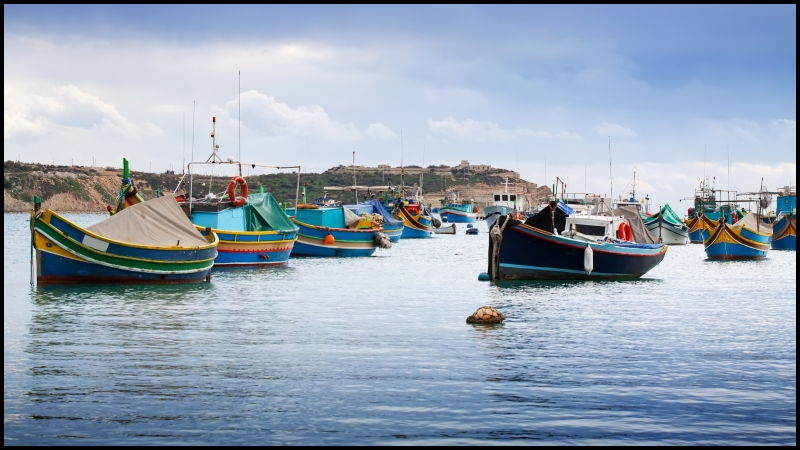
Marsaxlokk’s luzzu boats are not just beautiful; they are personal. Each boat reflects its owner’s identity through colors, symbols, and markings. The painted eyes on the bow, often misunderstood as decoration, are drawn from ancient Mediterranean belief systems intended to protect sailors from harm. These symbols passed through generations without written rules, only tradition.
Unlike museum pieces, these boats still head out before dawn and return loaded with nets and stories. Their continued use keeps Malta’s maritime heritage alive in a practical way. Marsaxlokk is one of the few places where tradition remains useful, not symbolic.
Fishing Culture That Still Feeds the Community
Fishing in Marsaxlokk is not staged for visitors; it feeds families. Many local fishermen sell directly to restaurants or residents, cutting out commercial chains. This system keeps prices fair and quality high. Seasonal fishing laws are respected here, protecting marine life and ensuring long-term sustainability.
Lampuki season, for example, dictates menus across the village. When the fish is gone, it is gone. This respect for nature teaches an important lesson: culture survives when people listen to their environment. Marsaxlokk quietly shows how traditional livelihoods can still function in a modern economy.
The Sunday Fish Market: More Than a Tourist Stop
The Sunday fish market is often described as a tourist attraction, but locals know better. This market exists first for residents. Chefs arrive early to secure the best catch. Villagers inspect fish with expert eyes developed over decades. Conversations happen in Maltese, not English.
Prices change based on weather and supply, not demand. That honesty makes the market special. It also explains why it has survived unchanged while others have disappeared. Visitors who observe quietly gain insight into Malta’s food system, not just its flavors.
Marsaxlokk’s Role in Modern Maltese Identity
Marsaxlokk plays an important cultural role beyond tourism. It reminds Malta of its working-class roots and maritime dependence. As urban development grows elsewhere, this village stands as proof that preservation and progress can coexist. Local councils carefully control construction to protect skyline views and harbor access.
Cultural festivals here focus on community, not profit. This approach strengthens identity rather than selling it. For researchers, historians, and cultural travelers, Marsaxlokk offers a living example of how small communities can protect heritage without freezing it in time.
Best Time and Way to Experience Marsaxlokk
To truly understand Marsaxlokk, timing matters. Early morning visits reveal fishermen unloading nets and repairing gear. Late afternoons bring soft light and quiet reflection by the harbor.
Summer shows color and movement, but spring and autumn reveal the village’s true character. Walking instead of rushing allows details to emerge, weathered doors, sea-worn stone, and daily routines. Marsaxlokk rewards patience. Those who slow down discover stories that guidebooks miss.
Final Thoughts
Marsaxlokk does not compete for attention. It does not need to. Its strength lies in continuity, honesty, and deep cultural roots. In a world where destinations often feel manufactured, Marsaxlokk remains real. That reality makes it valuable not just to Malta, but to anyone seeking meaningful travel experiences. Marsaxlokk proves that when tradition is respected, it does not fade. It grows stronger.
For more information or suggestions, please contact us.