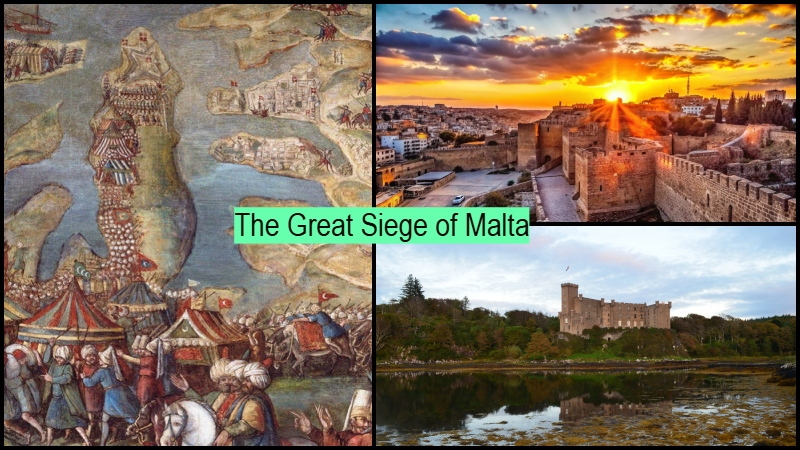
In the blazing summer of 1565, a small island in the Mediterranean faced one of the largest military forces of its time. The Great Siege of Malta was not just another battle between empires. It was a clash that shaped the future of Europe. The mighty Ottoman Empire wanted control of Malta to expand its naval power.
Standing in their way were the Knights of St. John and a few thousand defenders. What followed was a brutal four-month struggle filled with courage, strategy, and shocking losses. Against all odds, Malta survived, and history changed forever.
Why Malta Mattered So Much?
Malta may look small on a map, but in the 16th century, it held huge strategic value. The island sat between Sicily and North Africa. This position allowed whoever controlled it to dominate key Mediterranean sea routes. The Ottoman Empire, led by Sultan Suleiman the Magnificent, wanted Malta as a base to attack southern Europe.
The Knights of St. John, also known as the Hospitallers, had already been pushed out of Rhodes decades earlier. Malta was their last stronghold. If they lost it, the Ottomans would gain a powerful launch point toward Italy and beyond.
The Forces That Faced Each Other
In May 1565, an Ottoman fleet carrying around 30,000 to 40,000 soldiers arrived near Malta. They brought elite Janissaries, experienced sailors, and heavy artillery. The defenders were vastly outnumbered. Grand Master Jean Parisot de Valette commanded about 6,000 to 9,000 men, including knights, Spanish troops, Maltese militia, and volunteers.
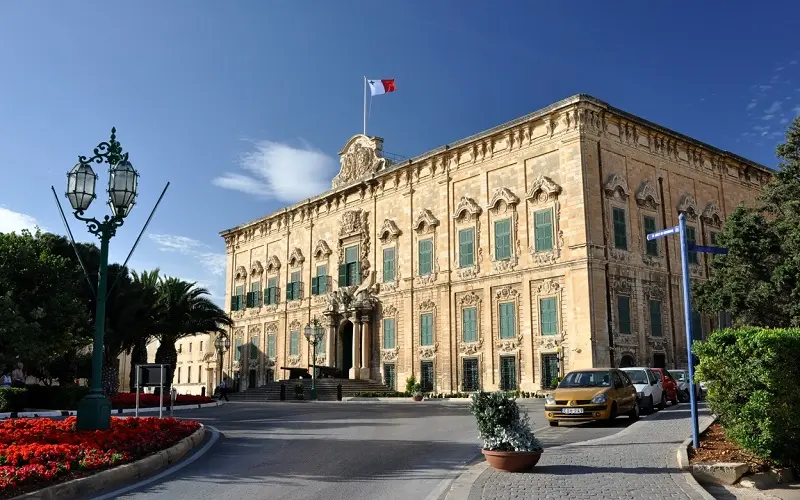
Despite their smaller force, the defenders had strong fortifications like Fort St. Elmo, Fort St. Angelo, and Fort St. Michael. These forts would become the center of fierce and bloody fighting over the next several months.
The Fall of Fort St. Elmo: A Turning Point
The siege began with a massive assault on Fort St. Elmo. Ottoman commanders believed it would fall quickly. Instead, the defenders held out for nearly a month. They fought day and night under constant bombardment. Cannons destroyed walls. Fire and smoke filled the air. Yet the Knights refused to surrender.
When the Ottomans finally captured the fort in June, they paid a heavy price. Thousands of their soldiers had died, including the skilled commander Dragut. This costly victory slowed their momentum and drained valuable resources early in the campaign.
Courage Inside the Walls of Malta
After St. Elmo fell, the Ottomans focused on Birgu and Senglea. They launched wave after wave of attacks. The defenders rebuilt broken walls overnight. Civilians joined the fight. Even wounded soldiers returned to battle. Grand Master de Valette, who was in his seventies, personally encouraged his men on the front lines.
The Maltese population played a key role. They provided supplies, repaired damage, and refused to give up hope. The spirit of resistance became stronger than fear. Each failed Ottoman assault raised the defenders’ confidence and lowered enemy morale.
The Arrival of Reinforcements
By September 1565, both sides were exhausted. Food ran low. Disease spread in the Ottoman camp. Still, they continued their attacks. Then, long-awaited Spanish reinforcements arrived from Sicily. Though smaller than expected, their presence changed everything.
The fresh troops boosted Maltese morale and forced the Ottomans to reconsider their position. Realizing that winter was approaching and losses had become unbearable, the Ottoman commanders ordered a retreat. After four intense months, the siege ended. Malta remained in Christian hands, and the Ottoman Empire faced one of its rare major defeats.
The Lasting Impact on European History
The Great Siege of Malta had effects far beyond the island. It proved that the Ottoman Empire was not unstoppable. European states gained new confidence. The victory strengthened alliances and inspired future resistance, including the Holy League that later fought at the Battle of Lepanto in 1571.
The Knights of St. John rebuilt Malta and constructed a new fortified city, Valletta, named after Grand Master de Valette. Today, historians view the siege as a defining moment in the struggle for control of the Mediterranean during the 16th century.
Final Thought: A Story of Survival Against All Odds
The Great Siege of Malta remains one of history’s most dramatic military stand-offs. A small island faced a global empire and survived through courage, strategy, and unity. The defenders did not win because they had greater numbers. They won because they had stronger determination and smart leadership.
Their victory changed the balance of power in the Mediterranean and protected Europe from further invasion at that time. Even today, the siege stands as a powerful reminder that resilience and unity can defeat overwhelming force.
For more information or suggestions, please contact us.