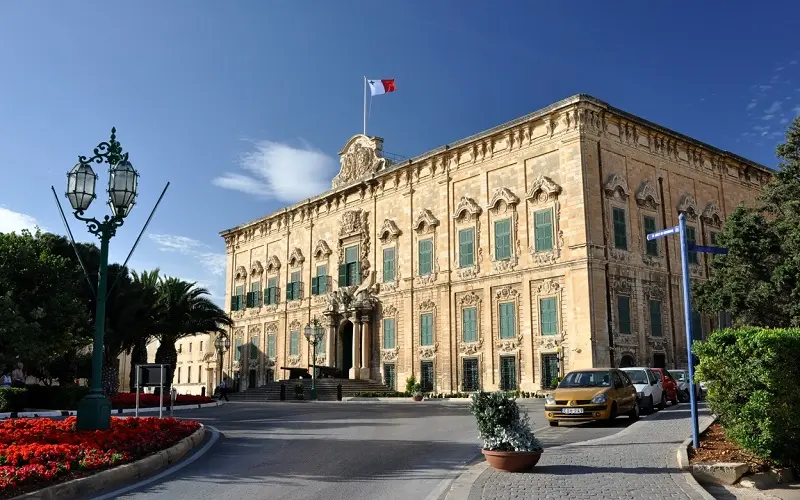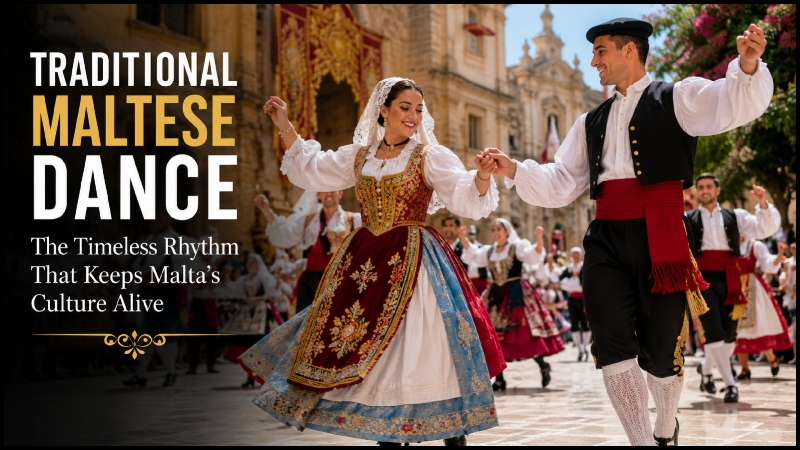
What makes a dance survive for hundreds of years while many others disappear? The answer lies in the heart of Malta. Traditional Maltese dance is more than simple movement. It tells stories of love, celebration, courage, and community. Every step carries a piece of history that connects modern generations with their ancestors. Visitors often expect Malta to impress them with beaches and historic buildings. However, many leave talking about its colorful folk dances and lively music. These performances create unforgettable memories.
In this guide, you will discover the history, famous dance styles, traditional costumes, musical instruments, and fascinating facts that make traditional Maltese dance a treasured part of Malta’s cultural identity.
What Is Traditional Maltese Dance?
Traditional Maltese dance refers to the folk dances that have been performed in Malta for centuries. These dances reflect the country’s rich cultural heritage and Mediterranean identity. Local communities perform them during festivals, village celebrations, and cultural events.
Traditional Maltese dance is known for its cheerful rhythm and simple group movements.
Key features include:
- Traditional folk music
- Colorful handmade costumes
- Partner and circle dances
- Community participation
- Strong cultural symbolism
Each performance celebrates Maltese traditions while preserving customs that families have passed down through generations.
The History of Traditional Maltese Dance
Traditional Maltese dance has roots that stretch back hundreds of years. Malta’s location in the Mediterranean allowed many civilizations to influence its culture. The Phoenicians, Romans, Arabs, Italians, French, and British all left their mark. Despite these influences, the Maltese people preserved their own traditions.
Important historical facts include:
- Folk dances grew from village celebrations.
- Weddings often included traditional performances.
- Harvest festivals featured community dances.
- Religious feasts encouraged public celebrations.
- Dance became a symbol of national pride.
Today, these dances continue to honor Malta’s unique cultural journey.
Famous Types of Traditional Maltese Dance
Although Malta has several folk traditions, some dances remain especially popular during cultural festivals. The best-known style is the Maltese Folk Dance, often performed by organized cultural groups across the islands.
Popular dance styles include:
- Il-Maltija
- Village folk dances
- Couple dances
- Circle dances
- Festival performances
Each dance tells a different story. Some celebrate love, while others honor farming traditions or important historical events.
Traditional Costumes That Bring the Dance to Life
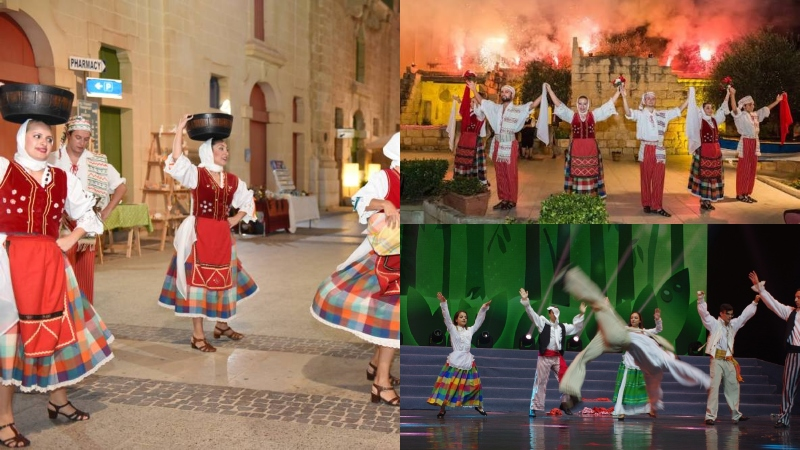
The beauty of traditional Maltese dance comes from more than graceful movements. The colorful costumes make every performance unforgettable. Skilled artisans create many outfits using traditional fabrics and detailed embroidery.
Traditional costumes often include:
- Embroidered dresses
- Decorative aprons
- White blouses
- Waistcoats for men
- Hats and scarves
- Leather shoes
The bright colors represent joy, celebration, and Malta’s vibrant culture. These costumes also help preserve traditional craftsmanship.
Music That Powers Traditional Maltese Dance
Music gives life to every traditional Maltese dance performance. Musicians play lively tunes that encourage dancers and entertain audiences. Many songs have been passed down through generations.
Common musical instruments include:
- Accordion
- Guitar
- Tambourine
- Violin
- Hand drums
- Flute
The fast rhythms create excitement. The music also helps dancers stay in perfect harmony throughout each performance.
Why Traditional Maltese Dance Matters Today?
Many countries struggle to preserve their cultural traditions. Malta has successfully kept its folk dances alive through education, festivals, and community support. Young people continue learning these dances from experienced performers.
Modern importance includes:
- Protecting national identity
- Teaching cultural history
- Supporting tourism
- Bringing communities together
- Inspiring younger generations
Traditional Maltese dance remains one of the strongest symbols of Malta’s living heritage.
Where Visitors Can Experience Traditional Maltese Dance
Travelers can enjoy authentic performances throughout the year. Local festivals provide the best opportunity to experience the dances in their original setting.
Popular places include:
- Village festas
- Cultural festivals
- Heritage museums
- Community events
- Tourism celebrations
Watching local performers offers visitors a deeper understanding of Maltese traditions and everyday life.
Interesting Facts About Traditional Maltese Dance
Traditional Maltese dance includes many surprising details that visitors rarely know before arriving in Malta.
Interesting facts include:
- Some dances are over 300 years old.
- Families often pass dances from one generation to another.
- Performers spend months practicing.
- Costumes may take weeks to create.
- Every region has small local variations.
- Dance remains part of national celebrations.
These traditions continue to strengthen Malta’s cultural identity.
How Traditional Maltese Dance Supports Tourism
Cultural tourism continues to grow across Europe. Traditional Maltese dance plays an important role in attracting visitors who want authentic experiences. Tourists enjoy watching performances because they reveal Malta’s true character.
Benefits for tourism include:
- Promotes local culture
- Supports traditional artists
- Encourages cultural festivals
- Creates memorable travel experiences
- Preserves historical traditions
These performances help visitors connect with Malta beyond its famous landmarks.
Conclusion
Traditional Maltese dance is far more than entertainment. It is a living tradition that reflects Malta’s history, identity, and community spirit. Every performance combines beautiful music, colorful costumes, and meaningful storytelling. These dances continue to inspire both locals and visitors because they preserve traditions that have survived for centuries.
As Malta embraces the future, its folk dances remain a proud reminder of the nation’s rich cultural heritage. Whether you visit a village festival or watch a professional performance, traditional Maltese dance offers an unforgettable experience. It connects people through rhythm, celebration, and history while ensuring that Malta’s cultural legacy continues to thrive for generations to come.