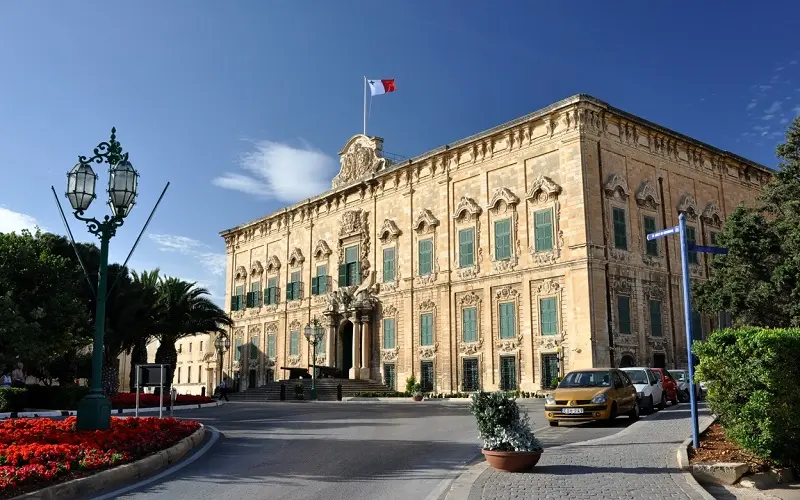
When people hear about Malta, they usually picture blue beaches, old churches, and luxury vacations. Very few know that Malta also carries a deep Islamic connection hidden inside its history, language, and culture. That is why Malta religion Islam facts surprise so many readers online today. Centuries ago, Muslims ruled these islands and changed daily life in ways that still exist today. Even modern Maltese culture quietly reflects that influence.
From Arabic-based words to farming systems and traditional foods, Islam helped shape Malta more than many travelers realize. This forgotten story makes Malta one of Europe’s most unique and historically rich destinations.
Muslims Once Ruled Malta for More Than Two Centuries
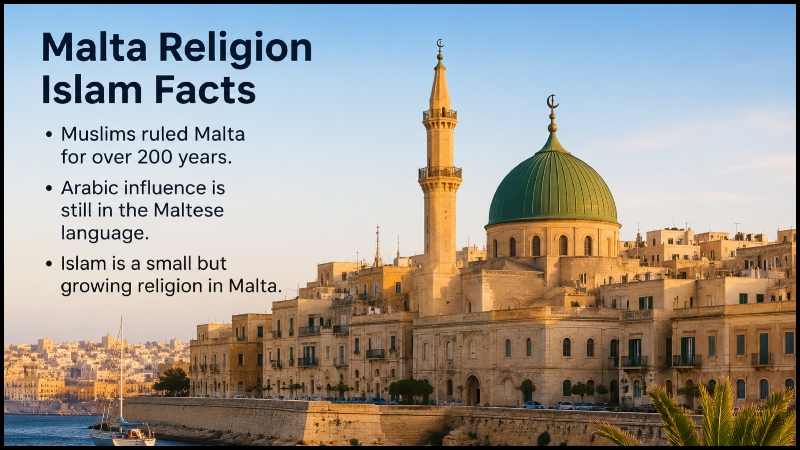
One of the most interesting Malta religion Islam facts is that Muslims ruled Malta after Arab forces arrived in 870 AD. Their rule lasted for around 220 years and deeply influenced the islands. During that time, Muslims introduced better irrigation systems, improved farming methods, and new crops that helped local communities survive difficult conditions. Historians believe this period helped Malta become more organized economically and socially.
Although Malta later became mainly Christian, Islamic influence never fully disappeared. Many historical experts agree that Muslim rule changed Malta’s identity forever. Today, visitors still discover traces of that era in local traditions, place names, and even the daily language used across the country.
The Maltese Language Still Carries Arabic Roots
Another shocking fact about Malta religion Islam facts is connected to language. The Maltese language developed from Arabic dialects spoken during Muslim rule. Over time, English and Italian words mixed into the language, but its Arabic foundation remained strong.
Many Arabic-speaking tourists notice familiar sounds while talking with locals. Some everyday Maltese words still closely resemble Arabic terms. Examples include:
- “Dar” meaning home
- “Qamar” meaning moon
- “Mara” meaning woman
This makes Maltese one of the few European languages strongly connected to Arabic. Language experts often describe Malta as a cultural bridge between Europe and the Arab world. That rare identity makes the country even more fascinating for history lovers and travelers.
Islam in Malta Today Is Small but Growing
Today, Muslims are a minority in Malta, but their community continues to grow steadily. Most Muslims living there come from North Africa, the Middle East, and South Asia. Malta allows freedom of religion, so Muslims can practice Islam openly and peacefully across the islands.
Mariam Al-Batool Mosque is the main mosque in Malta and serves as an important religious and cultural center. In recent years, the number of halal restaurants, Islamic schools, and Muslim-owned businesses has also increased.
While Malta remains mostly Roman Catholic, modern society has become more multicultural than before. Many locals now appreciate the country’s diversity and see different cultures as part of Malta’s evolving identity.
Hidden Islamic Influence Still Exists in Daily Life
Many Malta religion Islam facts appear in places people rarely notice. Islamic influence still exists in Maltese food, architecture, farming, and village design. Muslims introduced citrus farming, cotton production, and advanced water systems that helped Malta during dry seasons.
Traditional Maltese dishes also show North African and Middle Eastern influence through spices and cooking styles. Historians believe these traditions survived because Malta stood at the center of Mediterranean trade routes for centuries.
What makes this history special is how naturally cultures blended together over time. Many Maltese traditions today were shaped centuries ago, yet most visitors never realize their Islamic origins as they explore the islands.
Conclusion
Malta’s Islamic connection is one of the most overlooked stories in European history. The country may look small on the map, but its cultural background is surprisingly deep and powerful. Malta’s Islamic religion facts reveal how different civilizations once lived, traded, and influenced each other across the Mediterranean world.
This hidden Muslim legacy still survives through language, traditions, food, and everyday culture. That is what makes Malta different from many other European destinations. It is not only a land of beaches and churches. It is also a place where history quietly tells a larger story about connection, influence, and cultural survival. Readers who discover this side of Malta often see the country in a completely new and unforgettable way.