At first glance, Malta may look like a small Mediterranean island with beautiful beaches and historic streets. Yet many visitors discover something far more fascinating. Hidden within Malta’s culture is a traditional female dress that tells a story of identity, pride, and history. This unique garment once shaped the daily lives of Maltese women and became a symbol recognized across the islands. If you think traditional clothing is only about fashion, Malta’s traditional dress may surprise you.
The story behind it reveals how women preserved traditions, expressed dignity, and left a lasting mark on Maltese heritage.
What Is the Malta Top Culture Main Dress Female?
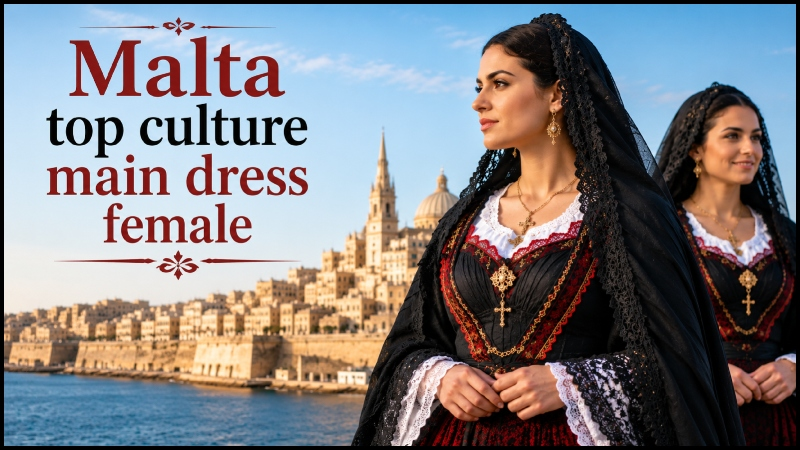
When people search for Malta top culture main female dress, they are usually referring to the Għonnella, also known as the Faldetta. This traditional Maltese garment became one of the most recognizable symbols of women’s culture in Malta. Women wore it for centuries as part of everyday life.
The Għonnella was not simply a piece of clothing. It represented modesty, social identity, and local customs. Its most distinctive feature was a stiff hood that covered part of the head and shoulders. Women often paired it with long dresses and practical footwear. The style allowed them to move comfortably while maintaining cultural traditions that were deeply respected throughout Maltese society.
The Fascinating History Behind the Għonnella
The origins of the Għonnella remain a topic of interest among historians. Some experts believe the garment was developed during the period of Spanish influence in Malta. Others suggest it evolved from local Mediterranean clothing traditions. Regardless of its exact beginnings, the dress became a defining feature of Maltese culture.
For generations, women wore the Għonnella while shopping, attending church, and participating in community events. Historical photographs from the nineteenth and early twentieth centuries often show women proudly wearing this traditional outfit. Over time, changing fashion trends and modernization reduced its everyday use. However, its cultural importance never disappeared. Today, it remains a treasured symbol of Malta’s heritage and history.
Unique Features That Made This Dress Special
Several characteristics helped the Għonnella stand out from other traditional European garments:
- A distinctive hooded structure that framed the face.
- Dark-colored fabric, usually black or deep shades.
- Practical design suitable for daily activities.
- Strong connection to Maltese identity and tradition.
- Recognition as one of Malta’s most iconic cultural symbols.
These features made the dress memorable and instantly recognizable. Even today, many cultural exhibitions and heritage programs use images of the Għonnella to represent traditional Maltese life.
Why the Dress Still Matters in Modern Malta?
Although modern Maltese women wear contemporary Western fashion, the Għonnella continues to hold cultural value. Museums, cultural festivals, and historical reenactments often showcase this traditional garment. It helps younger generations understand how their ancestors lived and expressed their identity.
Tourists also find the dress fascinating because it offers a glimpse into Malta’s unique past. Unlike many traditional outfits that disappeared completely, the Għonnella remains an important cultural reference. Artists, photographers, and historians frequently highlight it when discussing Maltese heritage. Its story reminds people that clothing can preserve history just as effectively as monuments and historical buildings.
Cultural Lessons Hidden Within the Traditional Dress
The Malta top culture main dress female represents more than fashion. It teaches valuable lessons about tradition, resilience, and cultural pride. Every fold and design element reflects a society that valued community and heritage. The dress also demonstrates how women played an essential role in preserving cultural identity across generations.
In a world where fashion changes rapidly, the story of the Għonnella shows why cultural clothing remains important. It connects modern society with the experiences of earlier generations. Understanding this traditional garment allows people to appreciate Malta beyond its beaches and tourist attractions. It reveals a deeper story about history, identity, and the enduring power of cultural traditions.
Wind up
The next time someone mentions Malta, many people will think about ancient temples or stunning coastlines. Yet one of Malta’s most remarkable cultural treasures is the traditional female dress known as the Għonnella. This iconic garment carries centuries of history, reflects the strength of Maltese traditions, and continues to inspire cultural pride today.
While it no longer appears in everyday life, its legacy remains alive through museums, festivals, and historical records. For anyone exploring Maltese culture, the story of this extraordinary dress offers a memorable journey into the heart of Malta’s identity.