What if music could tell stories that books never could? Maltese traditional music instruments carry such stories. These sounds come from a small island but hold deep cultural meaning. Many people know Malta for its history, but few explore its music roots. That is where the real magic lives. These instruments are not just tools. They are voices of the past.
In this article, you will discover how traditional Maltese musical instruments have shaped identity. You will also learn why they still matter today. Keep reading, because these forgotten sounds might surprise you.
The Soul Behind Maltese Traditional Music Instruments
Maltese traditional music instruments reflect daily life. People created them using simple materials. Farmers, fishermen, and locals used music to share emotions. One key music style is “Għana.” It focuses on storytelling and strong vocals. Instruments play a supporting role. They help express feelings without overpowering the singer. This creates a raw and honest sound. Unlike modern music, it feels more personal. The rhythm flows naturally. It connects people across generations. Even today, these sounds live in small villages. Festivals and local events keep the tradition alive.
The Żaqq: A Rare Gem Among Maltese Traditional Music Instruments
The Żaqq is one of the most distinctive traditional Maltese musical instruments. It is a type of bagpipe made from animal skin. Its design may look simple, but its sound feels deep and powerful. In the past, farmers played it during celebrations. Today, very few musicians still know how to play it. This makes it rare and valuable. The tone can feel haunting yet beautiful. It captures the spirit of old Malta. Learning the Żaqq takes time and patience. Still, it remains a strong symbol of cultural identity.
Tambur: The Rhythm of Maltese Traditional Music Instruments
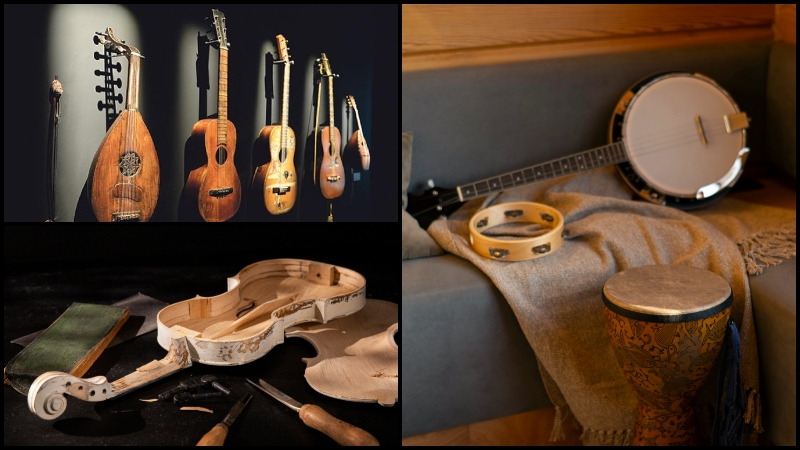
The Tambur plays a key role among traditional Maltese musical instruments. It is a simple drum, but it creates strong energy. Musicians use it during festivals and group dances. The beat is steady and easy to follow. This makes it perfect for community events. People gather, dance, and celebrate together. The Tambur connects everyone through rhythm. Unlike modern drums, it does not focus on complex patterns. Instead, it keeps the music grounded. Many young learners still practice it today. This helps preserve the tradition.
Other Maltese Traditional Music Instruments You Should Know
Some instruments may not be famous, but they are still important. Here are a few examples:
- Fifra: A small flute with a soft and clear sound
- Żummara: A reed instrument with a bright and sharp tone
- Tanburin: A handheld drum used in festive music
Each of these traditional Maltese musical instruments adds a special touch. Together, they create a rich and layered sound.
Why Maltese Traditional Music Instruments Still Matter?
Today, music is often digital and fast. But these instruments offer something real. They show human creativity without technology. Cultural groups in Malta now work hard to protect them. They teach new learners and organize events. This keeps the tradition alive. Tourists are also interested in these unique sounds. As a result, global attention is growing. These instruments are more than music tools. They represent history and identity. Losing them would mean losing a part of culture.
Final Thoughts
Maltese traditional music instruments are treasures of the past. Each sound tells a story that still matters today. While trends change, these instruments remain timeless. They remind us of a simple yet powerful expression.
If people continue to support them, they will survive. Future generations can then enjoy their beauty. So next time you explore music, think beyond the modern world. Look toward Malta and its hidden sounds. You may find something truly special.
For more information or suggestions, please contact us.