The urbanization impact on Maltese culture is deeper than it first appears. Malta, once known for its peaceful villages and strong traditions, is now rapidly transforming into a modern urban society. This shift is not only physical but also cultural. From language and lifestyle to architecture and social values, everything is evolving.
At the same time, many traditions are still alive, adapting in new ways. This article explores the latest, most accurate insights into how urbanization is shaping Maltese culture while balancing heritage and progress.
Urbanization Impact on Maltese Culture: From Village Life to City Growth
The urbanization impact on Maltese culture is clearly visible in the move from village-based living to urban centers. In the past, Maltese communities were close-knit, and daily life revolved around shared traditions and local events. Today, people are shifting to cities for jobs and better opportunities.
This change has reduced strong social bonds in villages. However, culture has not disappeared. Instead, it is evolving. Traditions are now practiced in different ways, proving that urban growth does not completely erase cultural roots.
Effects of Urbanization in Malta on Language
One key effect of urbanization in Malta is the shift in language use. Maltese remains the national language, but English plays a larger role in urban life. It is widely used in education, business, and online communication. Young people often switch between Maltese and English, which reflects a modern, global mindset.
While some worry about cultural loss, this bilingual ability actually strengthens Malta’s connection with the world. It shows how urbanization can reshape identity without removing it.
Urban Development in Malta and Changing Architecture
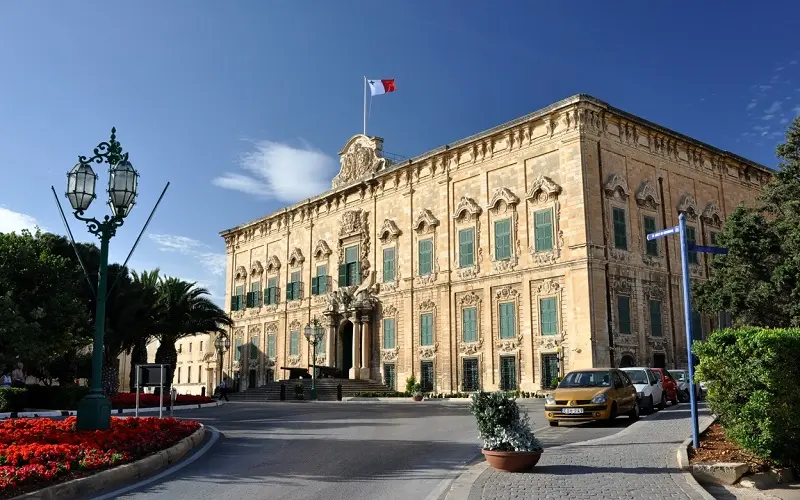
The urban development in Malta has significantly changed its physical landscape. Traditional limestone buildings once defined Maltese towns. Now, modern apartments and commercial spaces are growing quickly. This development supports economic progress, but it also creates concern about losing historical identity.
Many people now question how to balance modernization with preservation. This issue highlights the importance of careful planning to protect Malta’s cultural heritage while allowing growth.
Lifestyle Changes and Social Transformation
Another strong urbanization impact on Maltese culture is the shift in lifestyle and social values. Life in urban areas is faster and more independent. People now focus more on careers and personal goals. Extended family living is less common, and individuals prefer privacy.
Despite this, family remains important in Maltese culture. It is simply expressed in new ways. These changes reflect how urbanization influences not just daily habits but also deeper social connections.
Maltese Cultural Transformation Through Global Influence
The Maltese cultural transformation is strongly influenced by globalization and urbanization. Malta has become more connected to the world, leading to cultural blending.
- International foods are now common alongside traditional Maltese dishes
- Fashion combines global trends with local identity
- Music and entertainment reflect both local and international styles
This blending creates a modern cultural identity. Instead of losing tradition, Malta is reshaping it into something more dynamic and diverse.
Challenges Facing Maltese Cultural Heritage
The urbanization impact on Maltese culture also brings challenges. Rapid development and tourism can put pressure on traditions and historic places. Some cultural events risk becoming commercial rather than meaningful.
Historic areas may face overcrowding, which affects their value. These challenges highlight the need for responsible development. Protecting culture requires awareness, planning, and active community involvement.
Preservation Efforts and Future Balance
Despite these challenges, strong efforts are being made to protect Maltese culture. This is a positive side of the urbanization impact on Maltese culture. Authorities and local communities support cultural preservation through education, restoration projects, and festivals. These efforts help maintain identity while allowing modernization. The future depends on balance. With careful planning, Malta can grow without losing its cultural roots.
Wind Up
The urbanization impact on Maltese culture is complex and ongoing. It is reshaping how people live, communicate, and connect with their heritage. While some traditions are changing, many are adapting and surviving. Malta is not losing its identity; it is evolving. The key lies in managing urban growth wisely.
If done correctly, urbanization can strengthen culture rather than weaken it. This transformation represents a new chapter in Malta’s cultural journey, where tradition and modern life exist together.
For more information or suggestions, please contact us.